Kitchen
The kitchen is where buy-it-for-life is cheapest to practice, because the immortal versions of most tools are the plain ones.
Overview
The kitchen is where buy-it-for-life is cheapest to practice, because the immortal versions of most tools are the plain ones.
Plain cookware lasts for reasons you can see in the store. Cast iron and carbon steel are a single material finished with seasoning, which any cooking oil renews; fully clad stainless has no coating to wear through; and an aluminized sheet pan with a wire-rolled rim has almost nothing on it to fail. The dividing line in cookware is the finish. Seasoning can always be rebuilt at home and enamel cannot, which is why an enameled Dutch oven, excellent as it is, scores below a bare skillet: makers say a pot with chipped interior enamel should no longer be used.
Appliances follow a different rule, because a motor or heating element adds parts that wear. The lifetime versions keep those parts reachable and named: a stand mixer with a published parts diagram, a stovetop pressure cooker whose sealing ring and safety valve are sold by part number, a toaster oven with a mechanical timer dial and no control board to fail. A hand-crank mill removes the motor question entirely. Before buying any of them, find the parts list for the exact model, because an appliance with no parts list has an ending its owner cannot postpone.
- — 5 product types worth buying once
- — 5 product types worth buying once
Kitchen Appliances
Tilt-head or bowl-lift stand mixers
All-metal gearbox and housing, and a published parts list down to the worm gear.
Hand-crank grain and coffee mills
No motor is the ultimate reliability feature; cast body, replaceable burrs.
Immersion blenders with metal shafts
Detachable stainless shaft and a sealed bearing; plastic-shaft models die at the collar.
Pressure cookers
Stainless body with a gasket and safety valve sold as spares — the gasket is the only consumable.
Toaster ovens with mechanical timers
A mechanical dial cannot be bricked by a failed control board.
Cookware
Cast iron skillets
Smooth, crack-free casting with the handle cast as one piece; improves for decades.
Enameled Dutch ovens
Real heft, chip-free enamel, and a lid that seats with a gapless thunk.
Fully clad stainless pans
Aluminum core running up the walls, riveted handle, visible layered rim — no coating to fail.
Carbon steel woks and crêpe pans
One material, seasonable forever, and cheap enough that the lifetime version is the entry version.
Aluminized-steel sheet pans
Rolled, wire-reinforced rim that refuses to warp; no nonstick layer.
Gallery
What the properties look like in the hand.

Cast iron skillet
One material, no coating to fail. Re-seasons instead of wearing out.
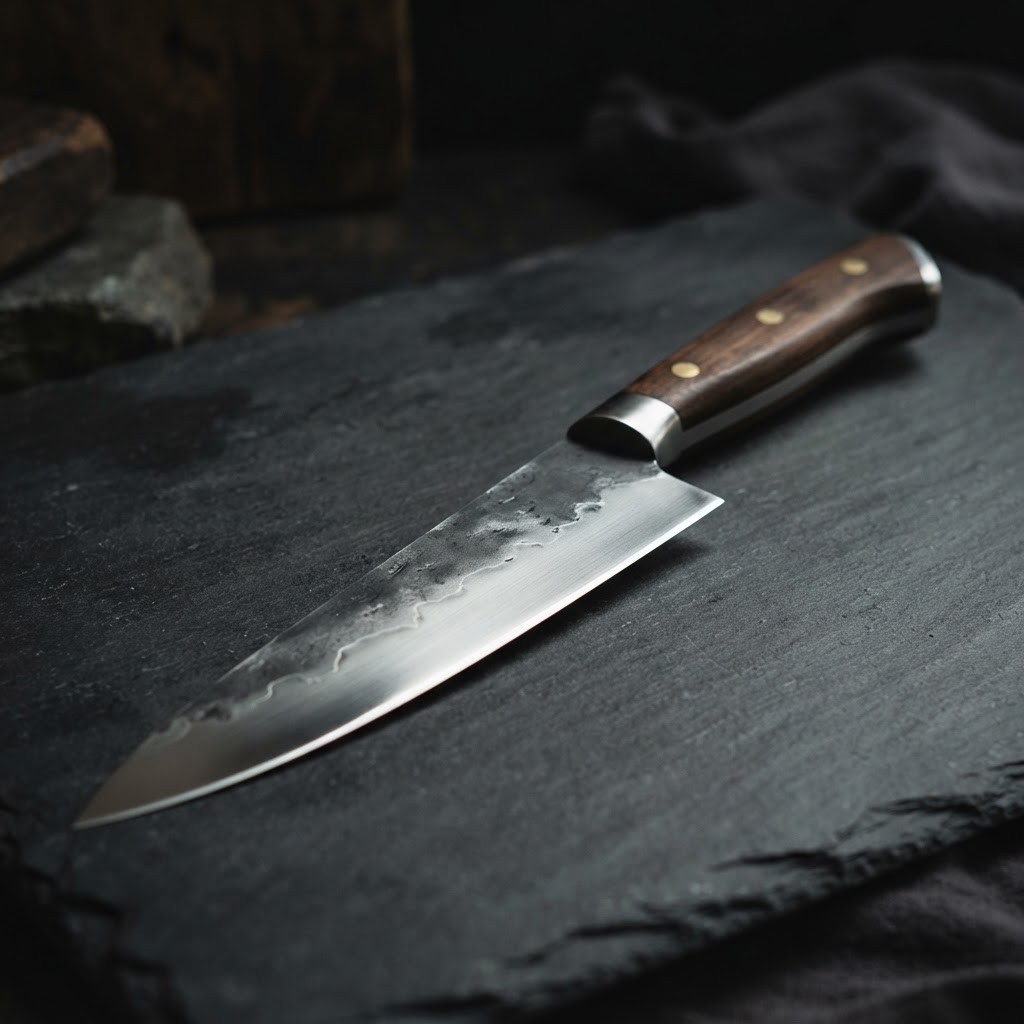
Forged chef's knife
Full tang through the handle; the edge is meant to be re-ground.
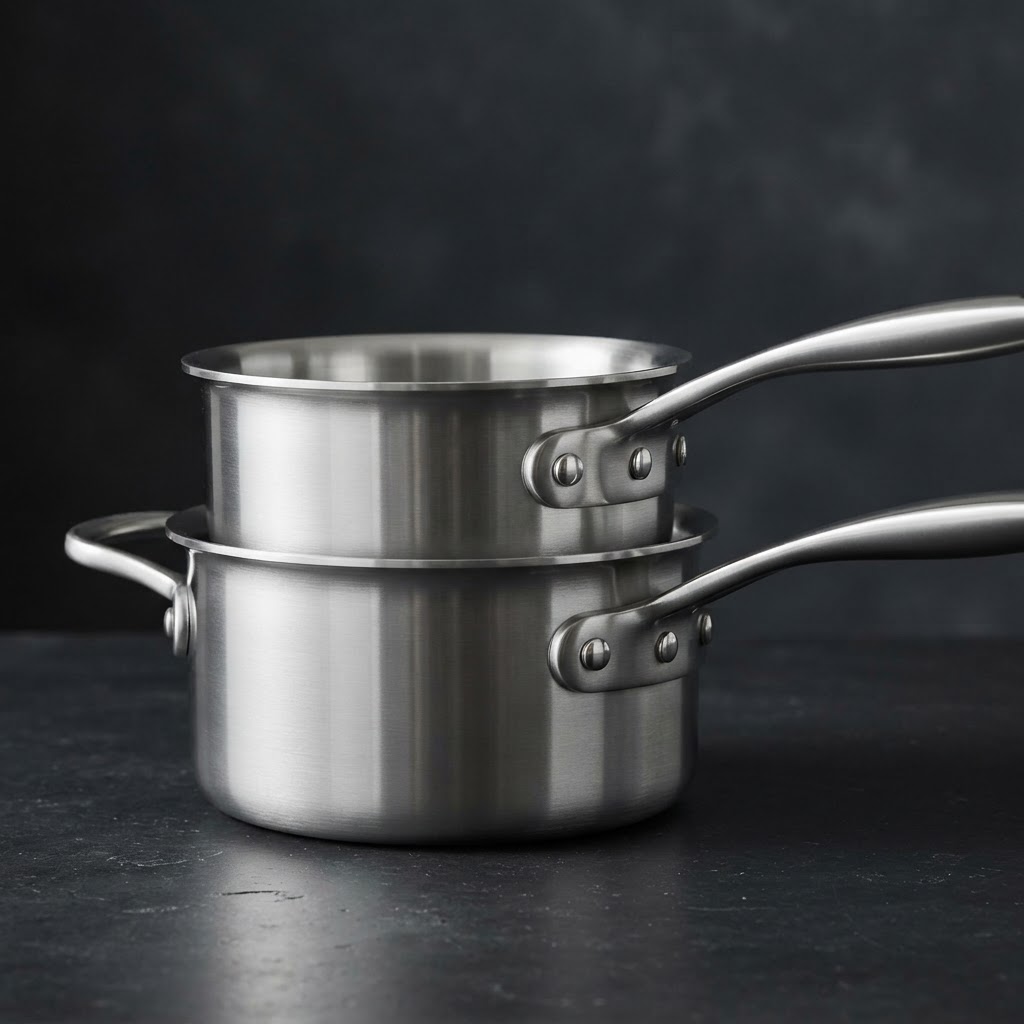
Clad stainless pans
Bonded steel and aluminum, riveted handles, nothing glued.
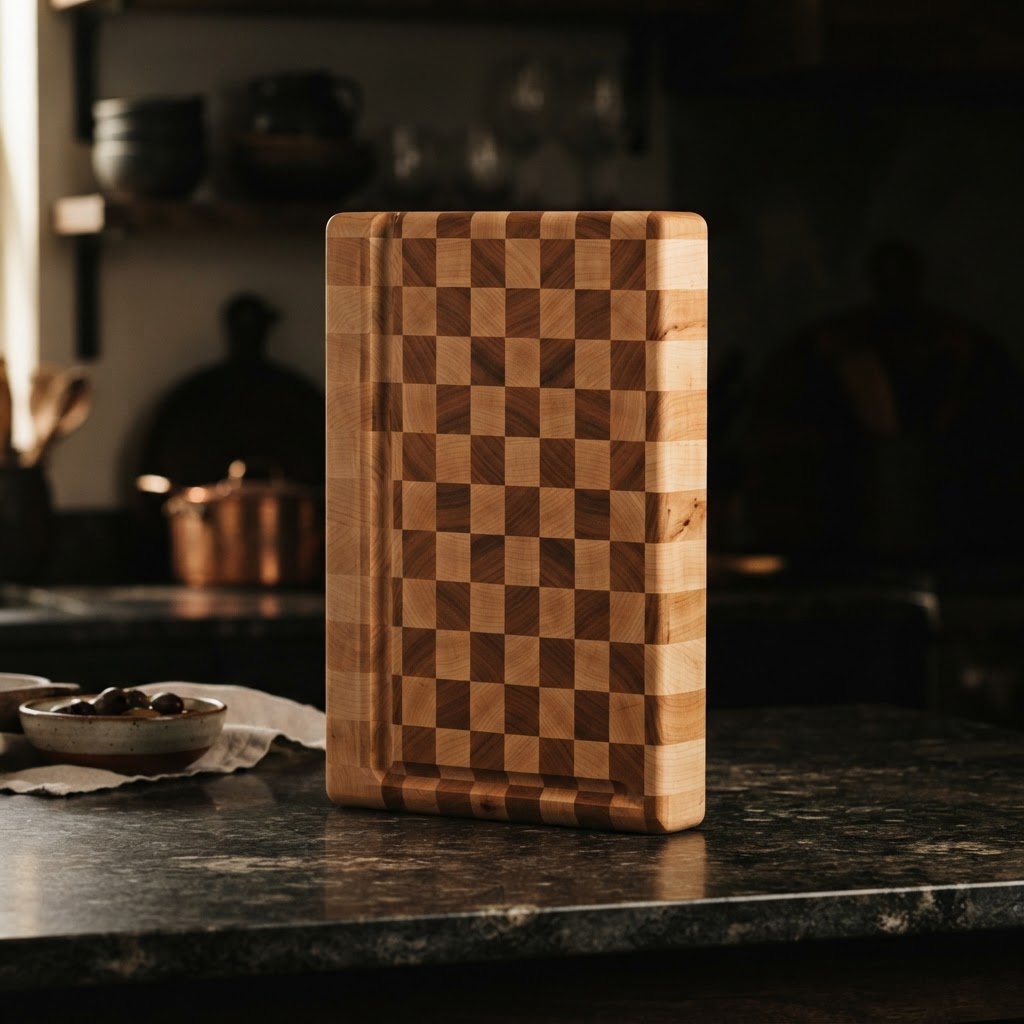
End-grain wood board
Sands flat again after years. Kind to the edge it meets.
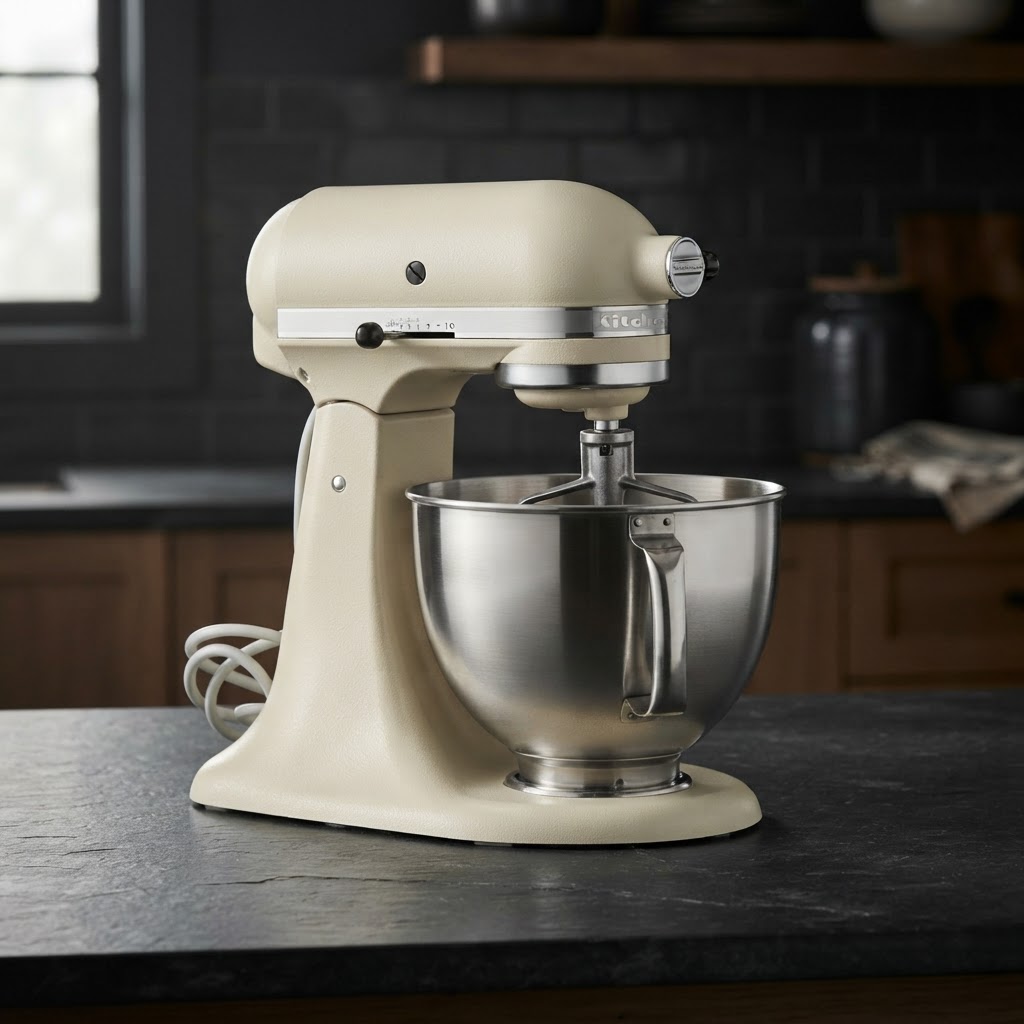
Metal-gear stand mixer
Serviceable gearbox, sold spares. Plastic gears set an expiration date.
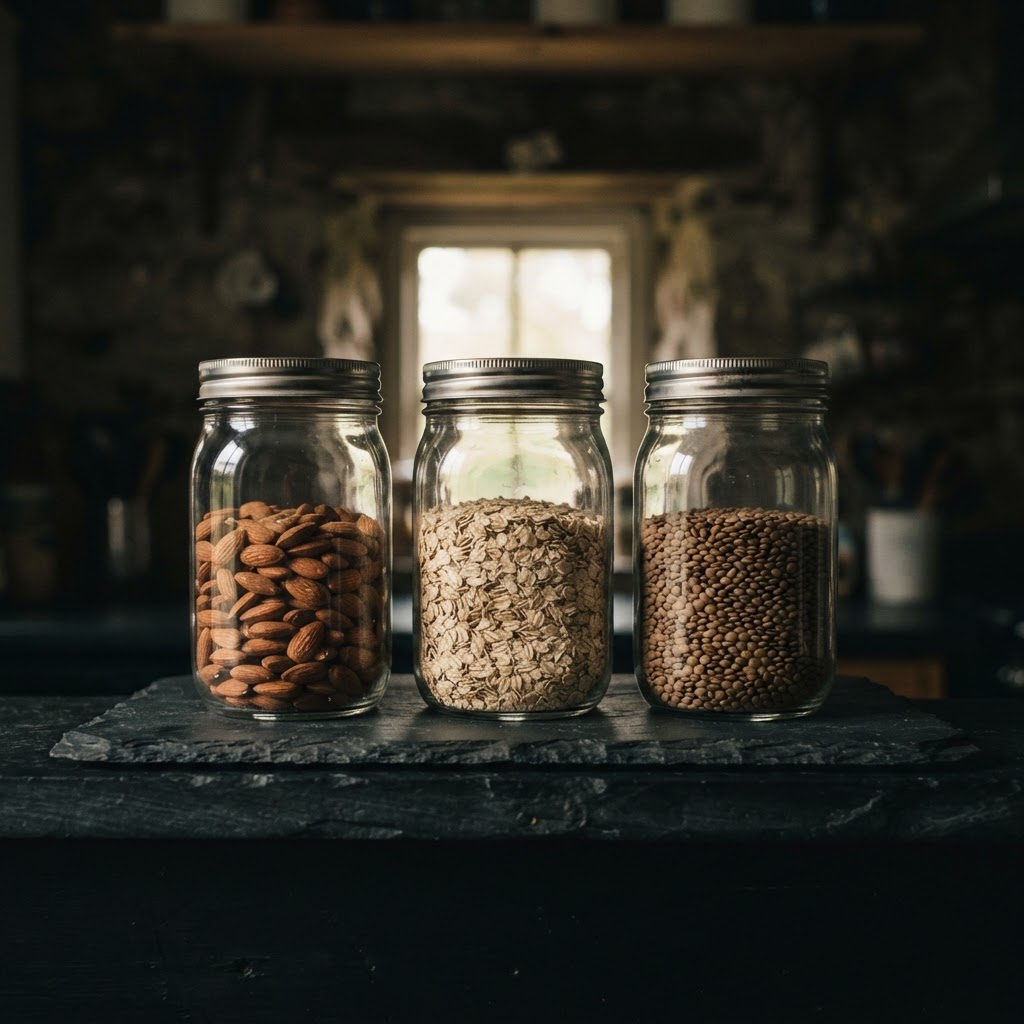
Glass storage
Does not stain, warp, or hold smells. Lids are replaceable.
Courtesy Scores
Every item type above, scored 0–100 on the six properties a shopper can check by hand. These score the type, never a product: no brand is named, no price is quoted, and the Guarantee pillar stays provisional until you have a specific maker in front of you. Open a row for the pillar-by-pillar reasoning.
Tilt-head or bowl-lift stand mixers
86.3Winner Best in ClassPick not setHand-crank grain and coffee mills
85.3Winner Best in ClassPick not setImmersion blenders with metal shafts
62.6Winner Best in ClassPick not setPressure cookers
85.8Winner Best in ClassPick not setToaster ovens with mechanical timers
64.7Winner Best in ClassPick not setCast iron skillets
94.2Winner Best in ClassPick not setEnameled Dutch ovens
66.8Winner Best in ClassPick not setFully clad stainless pans
81.6Winner Best in ClassPick not setCarbon steel woks and crêpe pans
91.1Winner Best in ClassPick not setAluminized-steel sheet pans
82.0Winner Best in ClassPick not set
Own one of these? Review it.
Tell us which product from this piece you have lived with, and how it held up.
Courtesy Score v1.1, 0–100, from six weighted pillars a shopper can check by hand. It is not a product rating and not a brand endorsement — read how we score.
How to judge it
Three questions settle almost every purchase in this category, and all three can be answered before you pay.
- 1
Is the wear part sold separately?
A gasket, a sole, a belt, a blade, a battery. If the maker stocks it, the object has a future; if it does not, the maker has set the expiration date.
- 2
Is it joined, or is it glued?
Stitching, screws, welts, and bolts can all be undone and redone. Glue, ultrasonic welds, and fused linings cannot.
- 3
Is it one material, or a laminate?
Single-material objects — cast iron, solid wood, steel, wool, full-grain leather — wear evenly and repair cleanly. Laminates delaminate.
These three questions are the short form of the six-pillar Courtesy Score rubric — the weights, the caps, and the worked examples are published in full at how we score.
What to ask the reviewer or the salesperson
Reviews are written when the object is new, before the failure modes arrive, and most review coverage never reaches the categories on this index at all. So use the review you are already watching — or the person at the counter — to answer the six things a first impression cannot:
- Materials
What is it made of, and is that one thing — or layers bonded together? Did they show a seam, a laminate edge, a fused lining?
- Repairability
Did they open it? With ordinary tools, or by prying against clips and glue? Is there a free repair guide anywhere?
- Parts
Which part wears out first, is it sold today, and for how many years after the model is discontinued?
- Independence
Does it work with no account, no app, and no server — and can the battery, if there is one, come out?
- Third-party service
Who fixes this besides the maker — a cobbler, a watchmaker, a bike shop, a repair café — and can they get parts without permission?
- Guarantee
What is promised in writing, and does the maker sell parts to people whose warranty has run out?
The Owner's Log
The only durability evidence better than any score is your own: what you bought, when, what wore first, and what a year of ownership actually cost. The CourtesyCart app is building the Owner's Log to keep that record against your real purchase dates — cost per year from receipts, not from marketing. It arrives with the app itself.
Sources and further reading
The longevity evidence behind this index comes from owner communities and open repair data rather than from any maker's marketing. Start with these:
- r/BuyItForLife — the owner-report community the whole movement is named for; search it for any item type on this page.
- The Open Repair Alliance dataset — hundreds of thousands of real repair attempts logged at community events: what breaks, what gets fixed, and what blocks the fix.
- iFixit's published repairability criteria — the best-known open scoring rubric, and one of the precedents behind how we score.
From the Journal
- The Buy-It-for-Life Kitchen: Eight Tools That Outlast Their OwnersA working kitchen needs fewer things than the store implies — and the right eight can be the last eight.
- Glass or Plastic: Choosing Food Containers You Will Never RebuyThe container drawer is where kitchens quietly bleed money. Here is how to close the wound once.
- Buy It for Life: What It Actually Means, and How to Tell Before You PayBIFL is not about expensive things. It is about cost per year of service.